Shifting Focus: How Recovery Periods Between Matches Affect Line Movements in Successive Tennis and Basketball Fixtures
Written by Xander Schmitz · Aug 21, 2026
Shifting Focus: How Recovery Periods Between Matches Affect Line Movements in Successive Tennis and Basketball Fixtures
Recovery periods between matches shape betting lines in tennis and basketball through measurable impacts on player performance data, and observers track these shifts closely during packed schedules such as the August 2026 US Open swing and NBA pre-season preparations. Data from successive fixtures reveal that shorter rest windows often lead to adjusted totals and spreads as bookmakers incorporate fatigue indicators into their models.
Recovery Windows in Tennis Tournaments
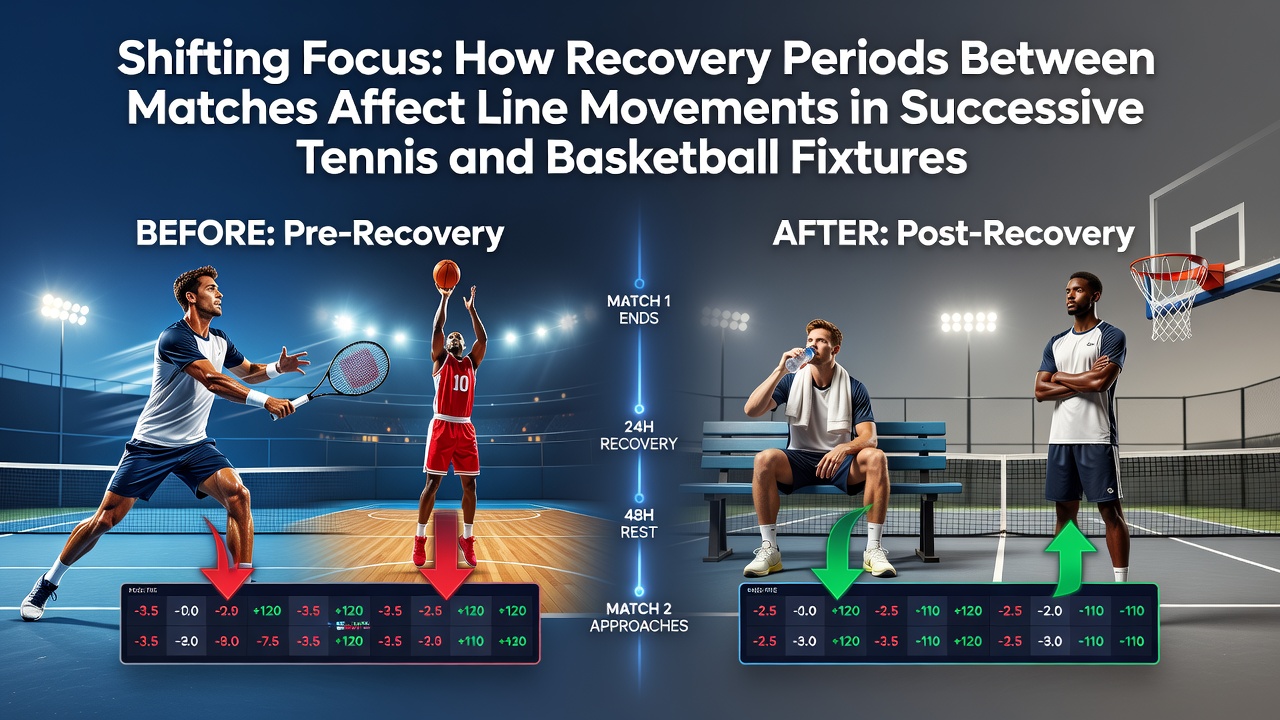
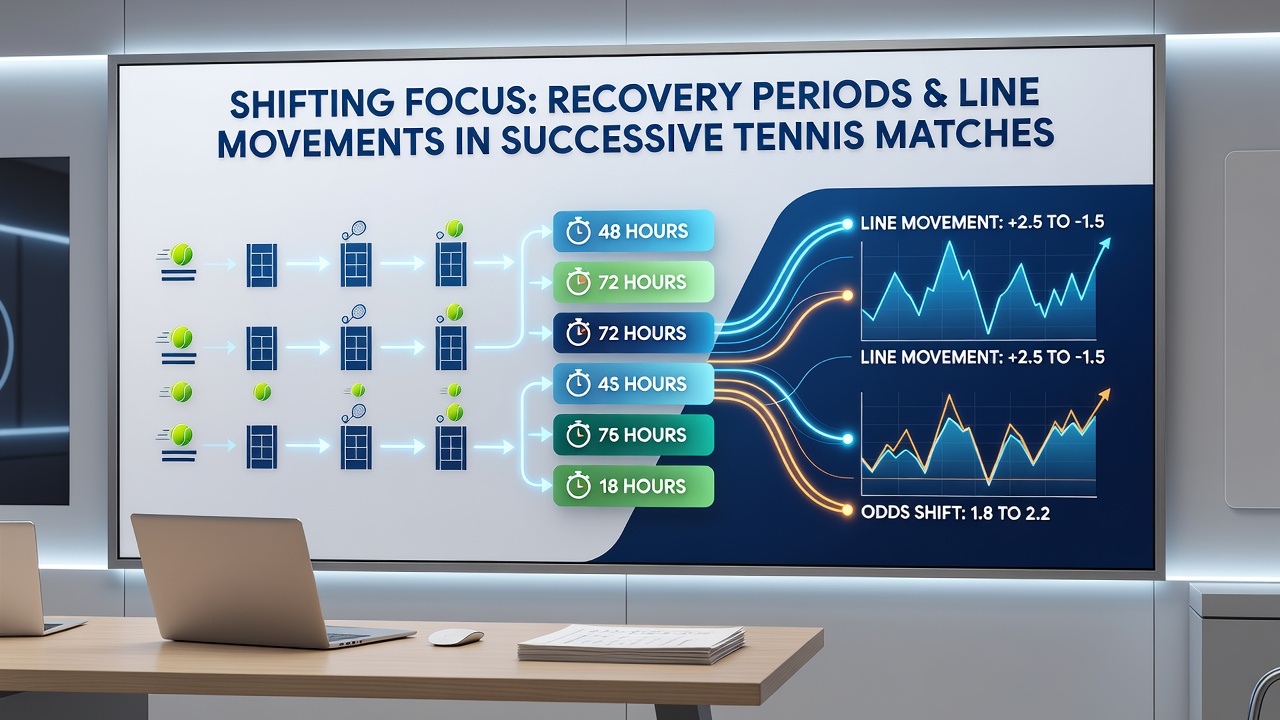
Tennis schedules during Grand Slam events compress recovery into 24 to 48 hours between rounds, and researchers have documented corresponding drops in serve percentages and rally endurance when rest falls below 36 hours. Line movements respond directly because sportsbooks adjust over/under set totals downward when historical match logs show elevated error rates after back-to-back days of play. In August 2026, several players on the US Open draw face potential three-match stretches within five days, which prompts early line adjustments once qualification results confirm the bracket order.
Bookmakers monitor ATP and WTA recovery metrics that include travel time and court surface changes, while analysts note that clay-to-hard transitions amplify fatigue signals more than same-surface sequences. Consequently, live odds on next-match spreads tighten when a player logs fewer than 30 hours between wins, and data from prior seasons indicate average point-spread movements of 1.5 to 2.5 points in such cases.
Basketball Fixture Congestion and Line Adjustments
Basketball back-to-backs create similar dynamics, particularly in summer leagues and early-season tournaments where teams play multiple games with limited rest. Performance databases show reduced three-point accuracy and defensive efficiency when recovery drops under 20 hours, prompting sportsbooks to shade totals lower in the subsequent fixture. During August 2026 exhibition windows, several international teams schedule games on consecutive evenings, and line compilers incorporate player-minute tracking to forecast scoring dips.
Spread movements widen when star players sit out recovery games, and figures from league tracking systems confirm that teams average 6 to 8 fewer points in the second game of a back-to-back. These patterns feed directly into pre-match line setting, with books releasing adjusted totals once injury reports adn travel logs become available.
Cross-Sport Patterns in Line Movement Timing
Both sports display line adjustments that accelerate once official rest intervals are confirmed, and market data indicate sharper movement in tennis sets markets compared with basketball quarter totals because individual player fatigue registers more visibly. Industry reports from the Australian Sports Commission outline how multi-day recovery deficits compound across events, leading to consistent under-performance metrics that sportsbooks integrate into their algorithms. Observers note that basketball lines often react within minutes of injury or rest announcements, whereas tennis markets evolve more gradually as draw sheets update.
Comparative studies of European and North American betting platforms reveal that markets in regions with stricter scheduling rules, such as those overseen by Sport Canada guidelines, exhibit smaller initial line shifts because advance rest data is released earlier. Yet the underlying performance correlations remain consistent across jurisdictions.
Data Sources Informing Line Compilers
Performance analytics firms supply recovery-adjusted projections that feed into odds models, and these projections draw on aggregated match logs from both professional circuits. When rest periods shorten, compilers apply coefficients derived from historical datasets to revise totals and spreads before public betting opens. In the lead-up to August 2026 events, several platforms publish preliminary lines that already embed expected fatigue factors for players or teams with documented short-recovery histories.
Successive fixture outcomes continue to validate these adjustments, with underdog cover rates rising measurably after compressed schedules in both tennis and basketball. Line movement archives show that markets stabilize once actual rest durations are confirmed, reducing volatility compared with pre-schedule speculation.
Conclusion
Recovery periods between matches produce predictable effects on betting lines in tennis and basketball through documented performance shifts, and August 2026 schedules provide fresh data points for ongoing analysis. Sportsbooks refine their models using rest-interval statistics, resulting in measurable movements in totals and spreads that reflect fatigue patterns across successive fixtures.