Nighttime Variables: Performance Shifts Under Lights in Team and Individual Sports
Written by Xander Schmitz · Aug 7, 2026
Nighttime Variables: Performance Shifts Under Lights in Team and Individual Sports
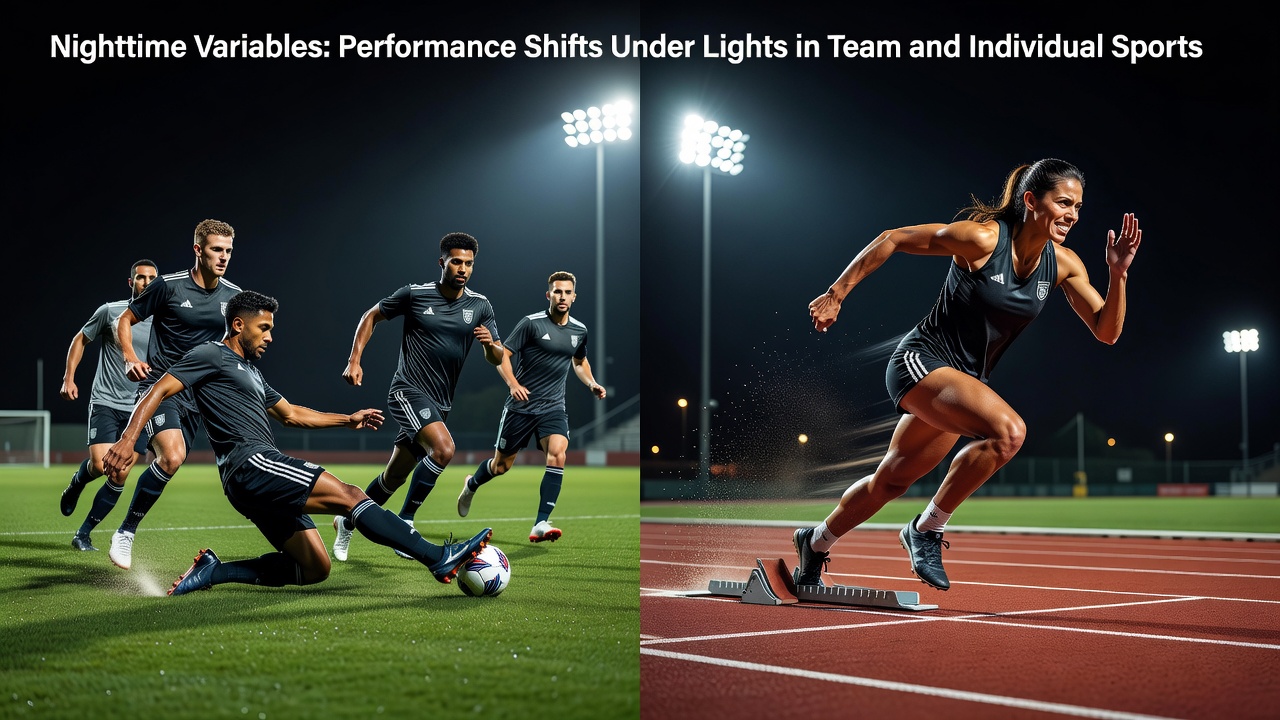
Stadium lights alter the conditions athletes face once the sun sets and research from multiple studies tracks measurable changes in reaction times along with endurance markers and visual processing across both team and individual disciplines. Data collected from professional leagues shows that games scheduled after 8 p.m. local time produce distinct patterns in player output compared with daytime fixtures while governing bodies schedule these contests to accommodate broadcast windows and larger crowds.
Circadian Rhythms and Night Competition Schedules
Human physiology follows a roughly 24-hour cycle that governs alertness hormone release and core body temperature and studies published in the Journal of Biological Rhythms indicate melatonin onset typically begins around 9 p.m. for most adults which can reduce peak power output during later evening matches. Teams in major soccer leagues adapt training blocks to shift sleep schedules ahead of night fixtures while individual athletes in tennis often adjust pre-match routines by several hours to maintain consistent energy levels. Researchers at the Australian Institute of Sport documented smaller decrements in sprint speed when competitors received targeted light exposure therapy in the afternoon before evening events and these protocols gained wider adoption ahead of the 2026 FIFA World Cup schedule that features numerous late-start matches across North American venues.
Visual Acuity Under Artificial Illumination
Floodlight systems deliver high-intensity illumination that differs from natural sunlight in color temperature and uniformity and optical studies reveal that contrast sensitivity drops for many athletes when they track fast-moving objects against darker backgrounds. In basketball arenas the reflective surfaces of polished courts interact with overhead banks of LEDs to create glare zones that affect peripheral vision while tennis players on outdoor hard courts report altered depth perception during serves hit under mixed sodium and metal-halide lamps. Data from the NCAA basketball analytics program shows field-goal percentages from three-point range decline by an average of 2.3 percent in games played after 9 p.m. compared with afternoon contests and similar patterns appear in cricket night matches where white-ball visibility changes influence batting strike rates.
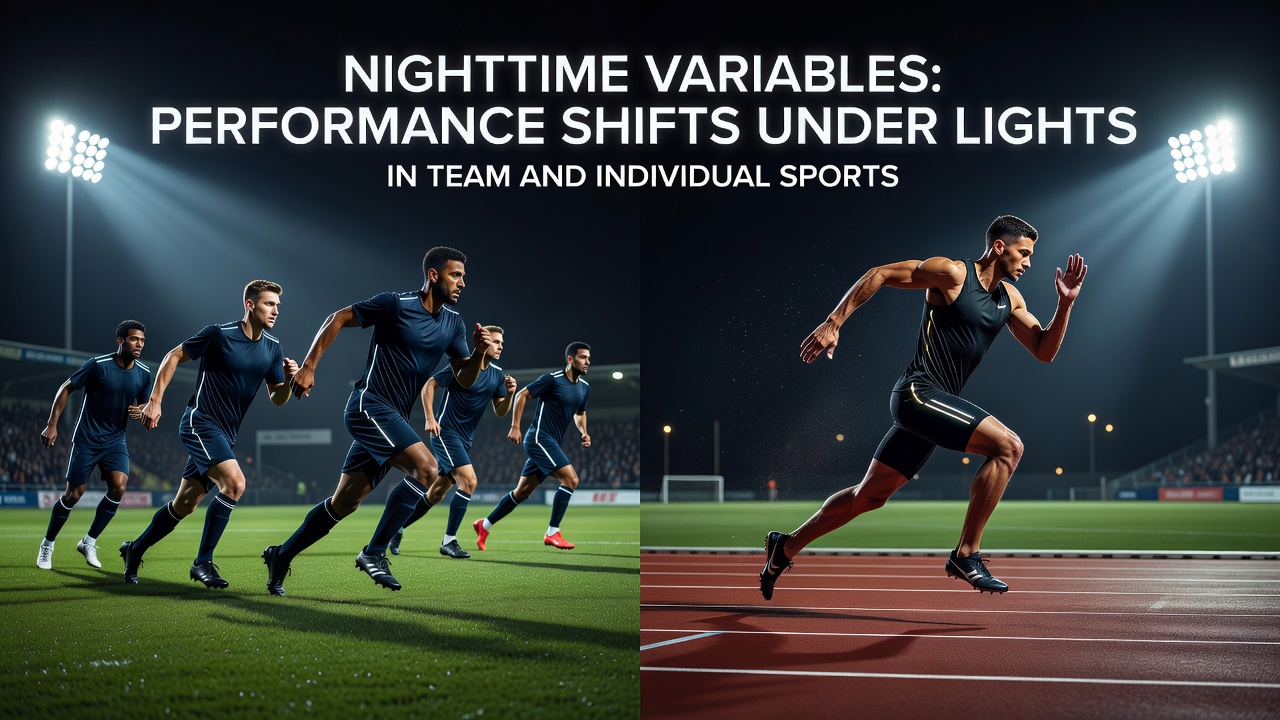
Equipment manufacturers responded by introducing high-visibility balls and uniform trim colors calibrated for LED spectra and these adaptations rolled out across European basketball leagues in 2025 before wider testing during summer tournaments scheduled for 2026.
Team Sport Dynamics After Dark
Football squads competing under lights encounter additional variables including pitch surface cooling that alters ball roll speed and player traction while defensive units record higher interception rates in the final 30 minutes according to tracking data aggregated by Opta analysts. Basketball teams experience shifts in foul frequency as fatigue accumulates and referees adjust to changing sight lines created by arena lighting arrays. Studies conducted by the Canadian Sport Institute Pacific tracked heart-rate variability in elite volleyball athletes and found elevated sympathetic activation during night sessions that correlated with longer recovery intervals between matches on consecutive evenings. Coaches therefore rotate substitutions earlier in night games to preserve key players for critical late periods.
Individual Athlete Responses in Evening Windows
Tennis professionals competing in best-of-three or best-of-five formats at night face cumulative effects from extended rallies under consistent artificial light and performance logs from the ATP tour indicate serve percentages dip after the second set when matches extend past midnight local time. Track and field sprinters at evening meets report differences in start reaction times linked to lower ambient temperatures and reduced visual cues from starting blocks and these factors prompted the World Athletics federation to standardize lighting specifications at championship venues. Swimmers in 50-meter pools experience changes in lane visibility when overhead fixtures create surface glare and governing bodies introduced underwater LED strips at several major facilities to mitigate these effects ahead of qualification cycles for 2026 events.
Environmental and Recovery Factors
Nighttime temperatures often fall several degrees below daytime averages which influences muscle elasticity and hydration requirements while humidity levels can rise in enclosed stadiums creating distinct microclimates. Recovery protocols now incorporate post-match cooling and targeted nutrition timed to circadian cues and research groups at the University of Cape Town published findings showing that athletes who maintained consistent sleep hygiene across day and night competition windows exhibited smaller performance variances. Leagues in Australia and South Africa adopted these guidelines early because their domestic schedules routinely feature late starts due to time-zone considerations for international audiences.
Conclusion
Performance metrics collected across multiple continents demonstrate that nighttime competition under artificial lights introduces measurable physiological and perceptual variables that teams and individuals address through scheduling adjustments training modifications and equipment updates. Continued monitoring by sports science organizations supplies updated datasets that inform preparation for major tournaments including those planned for 2026 and these efforts help maintain competitive equity across varied start times.